
Carpet Stain Removal Noblesville IN
Coffee, wine, road-salt residue, marker, candle wax — spot treatment matched to the chemistry of the spill and to the age and fiber of the carpet under it.
Noblesville, IN and northern Hamilton County · Calls may be recorded for quality and training.
Every town has a stain profile, and Noblesville's reads like its calendar: road-salt crust by the entries from December's sidewalks, mud off spring soccer cleats, popsicle drips in July, candle wax from a cozy October, and the year-round classics — coffee on the stairs, wine in the dining room, ink from someone's homework. Each one is a distinct chemistry assignment. Our carpet stain removal in Noblesville, IN works because the treatment is chosen by what the stain is made of and what fiber it landed on — the same bottle that rescues a grease mark will permanently set a protein spill, and an oxidizer that erases one stain can erase the carpet dye next to another.
Depth is the second half of the job. A spill is a column, not a circle: it extends down through the pile into the backing and often the pad, which is why home-cleaned spots resurface as they dry. Professional spotting treats and extracts that full column, so the stain that leaves stays left.
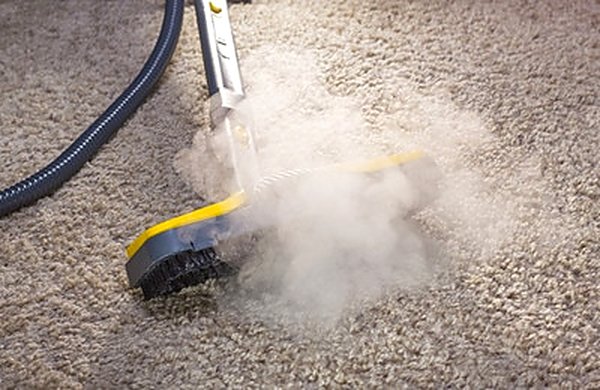
The Noblesville stain roster and what defeats each one
| The spill | Its chemistry | The counter-move |
|---|---|---|
| Road salt and de-icer crust | Alkaline mineral residue | Acid-side neutralizer, then a thorough rinse-extraction |
| Coffee, tea, red wine | Tannins | Tannin-specific treatment on the acid side, rinsed out completely |
| Kool-Aid, popsicles, sports drinks | Synthetic food dye | Careful reducing agents — the most technique-sensitive category |
| Blood, milk, sickness | Proteins | Enzyme digestion with cool water; heat would cook it in place |
| Cooking oil, lotion, tar, crayon | Oils and waxes | Solvent pre-work, then detergent and hot rinse |
| Rust circles under furniture legs | Iron oxide | Dedicated rust reducer — general cleaners spread it wider |
The five minutes after a spill
- Blot downward with plain white towels until they come up dry; a weighted towel stack left in place finishes the draw.
- Lift solids with a spoon before they bond — wax, mud, and anything sticky included.
- Never scrub. Frayed pile is permanent even when the stain is not.
- Hold the miracle sprays. On unknown dye, an oxidizer trades a fixable stain for an unfixable pale spot.
- No heat until the stain family is known — irons and hot water are how proteins and dyes become tattoos.
Straight answers at the walk-through
Each spot gets one of three honest verdicts before money changes hands: it comes out (most fresh, untreated spills), it improves noticeably (older marks and anything already attacked with store products), or it is not actually a stain — bleach spots, sun fading, and burns are missing color, and their remedies are re-dyeing or patching, not cleaning. Indiana is a one-party-consent state.
Get a Free Quote
No obligation · about a minute by phone
Frequently Asked Questions
There are white crusty trails by the front door every spring. What are they?
Why does a spot I already cleaned keep coming back?
Red wine on the dining room carpet — gone forever or fixable?
Can old carpet in an older home still be spot-treated safely?
Is a bleach mark a stain you can remove?
How does stain pricing work?
One stubborn spot in Noblesville? Describe it.
Call (317) 647-4679 — an honest read on whether it comes out, and what it costs, before a truck ever starts.